Outdoor carpentry
Garden rooms, sheds and log cabins
A garden room is an insulated timber building used year round, unlike a shed. An insulated garden office typically costs £8,000 to £30,000, and the range follows the specification: insulation, glazing, electrics and the base account for most of it.
What this covers
Typical price. £8,000 to £30,000 for an insulated garden office
What the job covers
- Insulated garden offices
- Bespoke sheds and workshops
- Log cabins and summerhouses
- Bike and bin stores
- Aviaries and animal housing
What is involved
The base decides the lifespan. Options are a concrete slab, a screwpile and steel frame, or a treated timber grid on pads, and the right one depends on ground conditions and slope. Above that, a garden room is a timber frame with insulation between and over the studs, a breather membrane, a rainscreen or cladding, and a warm roof. The specification worth asking about is the insulation depth and whether the roof is warm or cold, because a cold roof in a small heated building is where condensation problems start.
Electrics come off the house on a buried armoured cable, which is notifiable work and needs an electrician. Anything that will hold a desk and a person through a British winter needs heating, and in a well-insulated small building that is usually a single electric panel or an air-conditioning unit rather than anything plumbed.
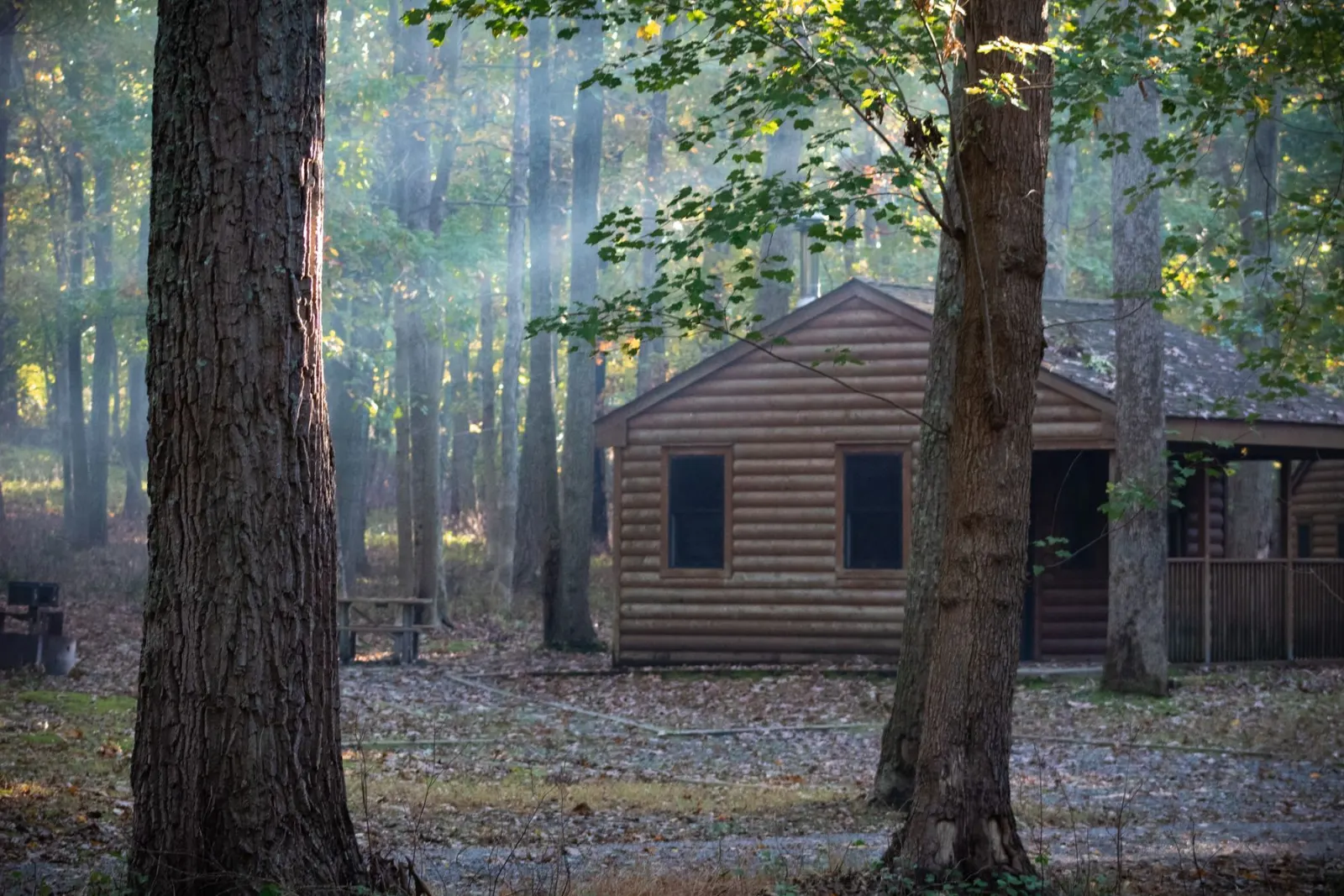
Insulated garden offices, one of the jobs under garden rooms.
Choosing someone for the job
Ask for the insulation specification in millimetres and the U-value if they have it. Ask what the base is and who prepares it. Ask whether the price includes the electrical supply from the house, because it is often priced separately and can be a sizeable cost.
Worth reading first:
- How long common carpentry jobs takeDo you need planning permission for a garden room?Do I need planning permission for decking?
Related jobs:
Common questions
Do I need planning permission for a garden room?
Usually not under permitted development if it is single storey, under 2.5m high within two metres of a boundary, and not used as separate living accommodation. Conservation areas, listed buildings and front gardens are the common exceptions, and the council is the place to confirm.
Can I sleep in a garden room?
Using it as self-contained sleeping accommodation generally takes it outside permitted development and brings in building regulations. Occasional use by a guest is a different matter from creating an annexe.