Structural carpentry
Stud walls and partitions
A stud wall is a timber or metal frame, boarded both sides, used to divide a room or form a cupboard. A typical wall costs £500 to £1,200 built and plastered ready, before any door or decoration.
What this covers
Typical price. £500 to £1,200 per wall, plastered ready
What the job covers
- Timber and metal stud partitions
- Splitting a room in two
- Forming door openings
- Soundproofed partitions
- Boxing in and bulkheads
What is involved
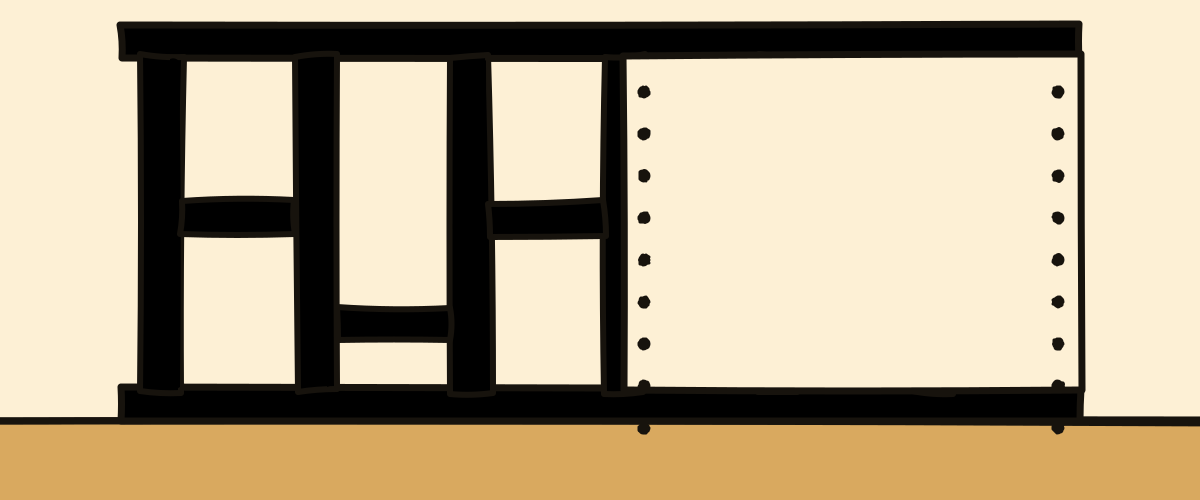
The frame is a sole plate, a head plate and vertical studs at 400mm or 600mm centres, with noggins across the middle for board edges and for anything that will be fixed to the wall later. Noggin positions are worth deciding before the wall closes: a radiator, a TV bracket or a wall-hung basin all need timber behind the plasterboard, and adding it afterwards means opening the wall.
Sound is what people notice. A bare stud wall transmits speech clearly, and the cheap improvements are mineral wool in the void and a heavier board rather than more layers of standard board. Any new wall forming a bedroom or affecting escape has to keep light, ventilation and escape routes intact, and a wall that leaves an inner room with no window or no escape route is what building control checks for.
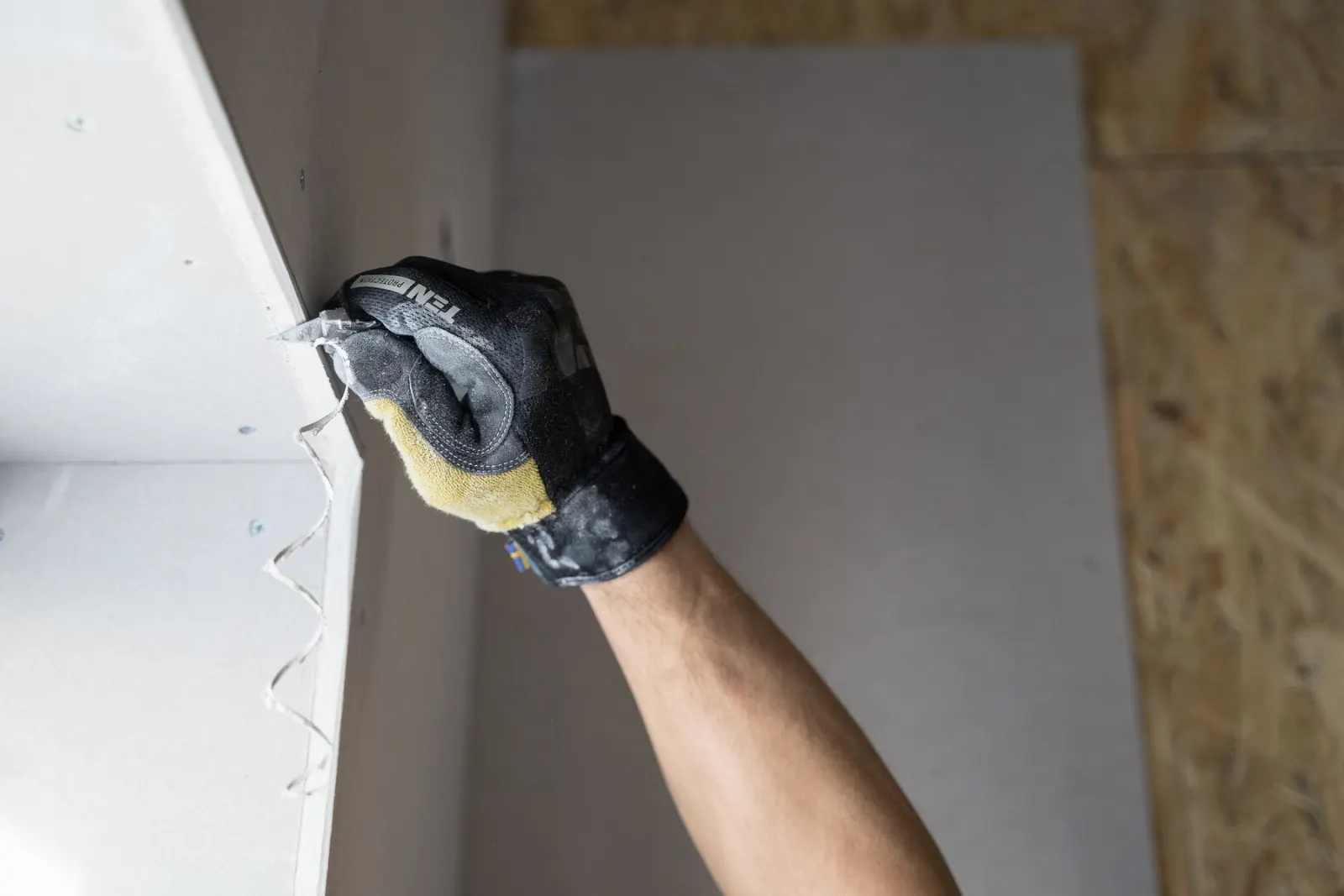
Timber and metal stud partitions, one of the jobs under stud walls.
Choosing someone for the job
Ask where the noggins will go and tell them what is going on the wall. Ask whether the void is being insulated. Ask who boards, tapes and plasters, since that is often a separate trade and often not in the carpenter's price.
Worth reading first:
- First fix and second fix carpentry explainedHow to tell if a wall is load bearingHow to build a media wall: depth, fires and the build steps
Related jobs:
Common questions
Do I need permission to split a room with a stud wall?
Not usually planning permission, but building regulations apply if it affects escape, ventilation, natural light or fire separation. Splitting a bedroom so one half has no window is the case building control most often picks up.
How do I soundproof a stud wall?
Mineral wool in the void, an acoustic-grade or heavier plasterboard, and sealing every gap at the edges. Resilient bars help further where it matters.