Guide
First fix and second fix carpentry explained
First fix is the structural timber that goes in before the plaster. Second fix is everything fitted after it. The split decides when a carpenter is on your job and how they price it.
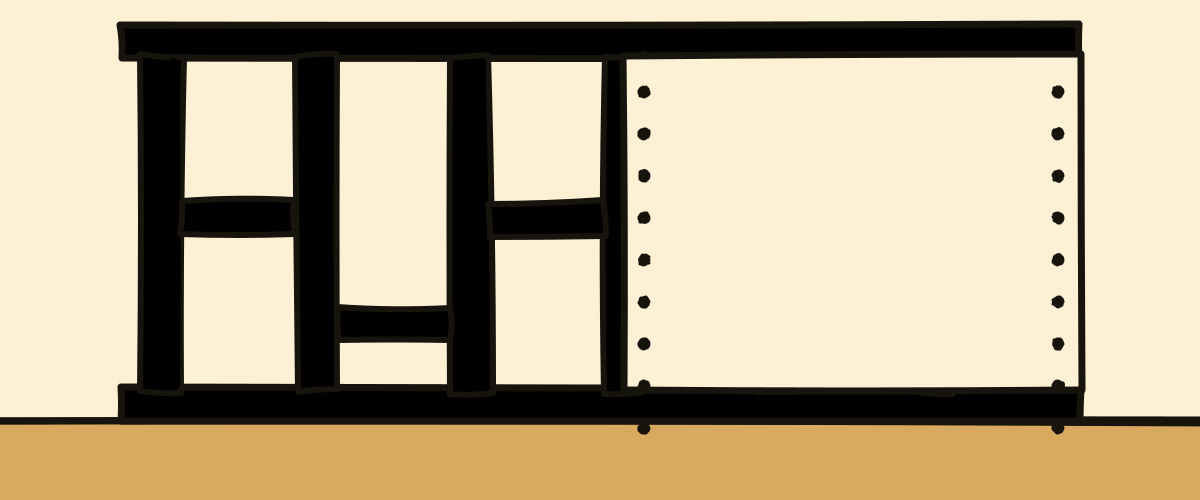
First fix
Everything structural and everything that has to be hidden. Floor and ceiling joists, roof timbers, stud partitions, door linings, noggins for future fixings, and the routes for pipes and cables. First fix happens before plasterboard goes up, and it is the stage where mistakes are cheapest to fix and most expensive to leave.
The decision worth making at first fix is where noggins go. Anything that will later hang on a wall, a TV, a radiator, a basin, a handrail, needs timber behind the board. Putting it in takes minutes; adding it afterwards means cutting the wall open.
Second fix
Everything fitted after the walls are plastered and decorated, or nearly. Hanging doors, skirting and architrave, fitting kitchens and wardrobes, staircase balustrades, ironmongery. Second fix is the visible carpentry, so it is judged on gaps, joints and consistency rather than on strength.
Why the split affects your quote
A carpenter pricing a whole project will usually quote the two stages separately, because they happen weeks apart and other trades come between them. A quote that runs them together is usually for a small job; on a larger one, ask how the gap between the stages is planned.
It also affects availability. Carpenters book first fix and second fix as separate visits, and a delay to plastering pushes the second fix behind whatever they booked next.
Where the money goes
First fix is faster per hour of work and uses cheaper materials. Second fix is slower, needs a finer finish, and uses timber and ironmongery that people see. On a typical renovation, second fix costs more than first fix even though it involves less timber.
Common questions
Which comes first, plastering or second fix carpentry?
Plastering. Second fix is fitted to finished walls, which is why door linings go in at first fix and the doors themselves go in later.
Can one carpenter do both stages?
Yes, and it is common on domestic work. On larger sites they are often different people with different skills.
What is a third fix?
Not a standard term, but some people use it for the final visit: easing doors, adjusting kitchen fronts, fitting handles after decorating.
Where to go from here
- Door fittingDoor fitting costSkirting and architraveSkirting and architrave costStud wallsRoof carpentry